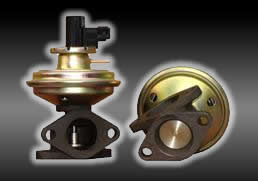
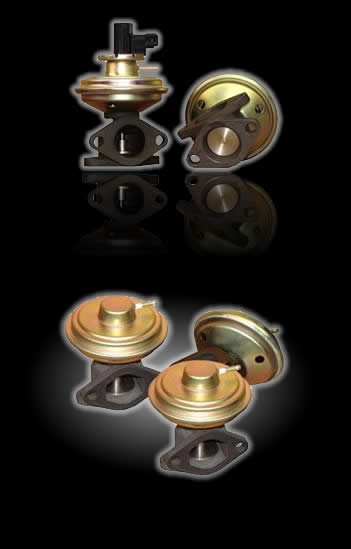
 The EGR valve helps your car more efficiently and completely burn fuel by recirculating a portion of your exhaust and running it through the combustion process again. This results in a cooler, more complete burn of the fuel which decreases you car's noxious emissions by prohibiting the formation of some harmful gases. The EGR valve helps your car more efficiently and completely burn fuel by recirculating a portion of your exhaust and running it through the combustion process again. This results in a cooler, more complete burn of the fuel which decreases you car's noxious emissions by prohibiting the formation of some harmful gases.
Pros
- The EGR valve is vital to your car's emission controls.
Cons
- When the EGR valve goes bad, it must be replaced.
Description
- EGR Valve = Exhaust Gas Recirculation Valve.
- The EGR valve controls formation of noxious emissions.
- Rough idle and poor acceleration can be caused by a faulty EGR valve.
Guide Review - EGR Valve
The EGR valve, or Exhaust Gas Recirculation valve, is a vacuum controlled valve which allows a specific amount of your exhaust back into the intake manifold. This exhaust mixes with the intake air and actually cools the combustion process. Cooler is always better inside your engine. The exhaust your EGR valve recirculates also prevents the formation of Nitrogen related gases. These are referred to as NOX emissions, and are a common cause for failing emissions testing. Unfortunately, your EGR valve can get stuck, causing NOX gases to build up. You'll know if your EGR valve is stuck or malfunctioning because your car will experience symptoms like rough idle and bucking on accelertaion. |